Chiropractic · Bonita Springs, FL
Auto Accident Injury Care
A minor accident can have a lasting impact
Even a seemingly minor car accident can leave you with pain, stiffness, or difficulty moving. Symptoms may develop over the hours or days following a collision, and for some people, discomfort persists and interferes with work, sleep, exercise, and everyday activities.
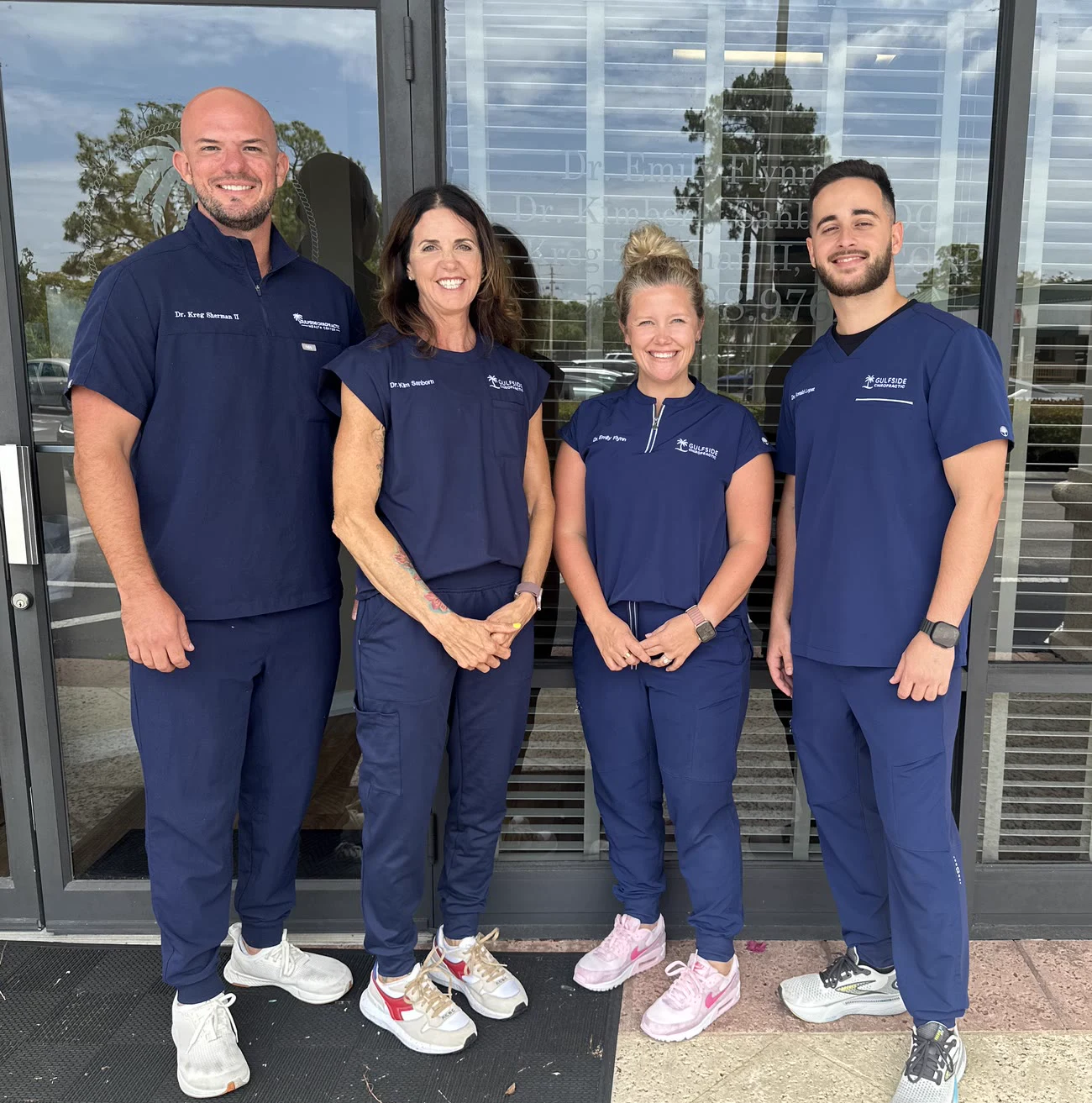
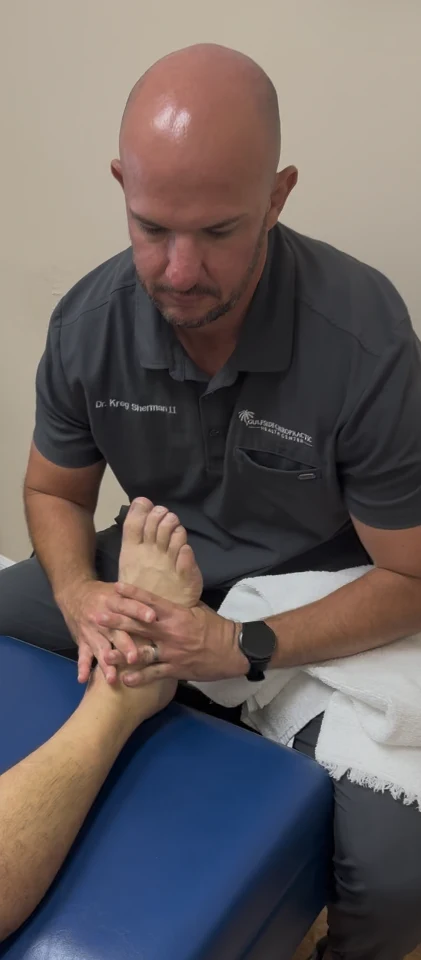
At Gulfside Chiropractic, we evaluate your symptoms, identify musculoskeletal injuries, and develop an individualized recovery plan. Care may combine appropriate chiropractic techniques, soft-tissue treatment, and targeted rehabilitation to help reduce pain, improve mobility, and rebuild strength. We monitor your progress and coordinate additional testing or specialist care when needed.
Common Auto Accident Injuries
Whiplash
Whiplash occurs when a sudden acceleration and deceleration moves the head and neck rapidly, placing stress on the neck’s muscles, ligaments, and other structures. It can happen in rear-end, side-impact, or other collisions.
Symptoms may include neck pain, stiffness, headaches, muscle tenderness, and difficulty turning your head. You may feel relatively comfortable immediately after the accident and notice symptoms later.
Our approach begins with evaluating your neck movement, muscle function, and any signs of nerve involvement. When appropriate, care combines hands-on treatment with progressive exercises and guidance for staying active. The goal is to restore comfortable movement and help you return to your usual activities.
Spine & Disc Injuries
The forces of a collision can strain the muscles and ligaments supporting your spine, affect spinal joints, or cause or aggravate disc-related symptoms. These concerns can involve the neck, mid-back, or lower back.
Symptoms may include localized pain, muscle spasms, stiffness, or pain that travels into an arm or leg. Tingling, numbness, or weakness may indicate nerve involvement and require further evaluation.
We assess your symptoms, movement, and neurological findings to determine which treatments are appropriate. For suitable patients, conservative care may include selected chiropractic techniques, soft-tissue treatment, and rehabilitation exercises to improve function and manage symptoms. Imaging or specialist referral may be recommended based on the examination.
Shoulder, Arm & Leg Injuries
An accident can affect more than your neck and back. Bracing during impact, sudden stretching, or contact with the vehicle’s interior can injure muscles, tendons, ligaments, and joints in the shoulders, arms, hips, knees, or ankles.
You may notice pain, swelling, reduced movement, or difficulty reaching, gripping, walking, or bearing weight. An examination helps distinguish soft-tissue injuries from concerns that require imaging or orthopedic care.
For injuries appropriate for conservative treatment, we use targeted soft-tissue care, joint mobility work, and progressive rehabilitation to help restore strength and comfortable movement.
Don’t overlook Florida’s 14-day requirement.
To qualify for medical benefits under Personal Injury Protection (PIP), you must receive initial services and care from an eligible healthcare provider—including a licensed chiropractic physician—within 14 days of your auto accident. Meeting this deadline is one requirement for coverage; benefits remain subject to your policy and Florida law.
Learn more
Read about whiplash from the UK National Health Service, the American Academy of Orthopaedic Surgeons’ OrthoInfo guide to herniated disks in the lower back, a study of pain after motor vehicle collisions, and the Florida PIP statute.
Start with an evaluation
If you’re experiencing discomfort after an auto accident, our team can help you understand your symptoms and the next steps in your recovery.
Contact Gulfside Chiropractic in Bonita Springs at (239) 908-9762.
Seek urgent medical care for severe or worsening symptoms, new weakness, difficulty walking, or loss of bladder or bowel control following an accident.